Bronze vs Brass: What Actually Separates Them

The short answer If the part moves against something, carries a load at temperature, or meets seawater, it is bronze. If it is a fitting, a housing, a valve body or a decorative item in a dry environment, brass will usually do the same job for less money and machine more easily. The trap is that the names do not reliably tell you which you have — see the naming section below. Bronze is copper alloyed with a metal that is not zinc — historically tin, and in modern practice also aluminium and silicon. Tin bronze is the bearing alloy. Aluminium bronze is the strong, seawater-resistant one. Silicon bronze is the one that pours and welds easily. Each of these behaves so differently that “bronze” on its own is barely a specification. Brass is copper alloyed with zinc, usually somewhere between about 5% and 45% zinc. Low-zinc brasses are reddish and malleable; high-zinc brasses are yellow, stronger and more brittle. Adding a little tin to a brass gives naval brass; adding lead makes it free-cutting. Almost every brass you will meet on a drawing is a variation on that theme. Both are copper alloys, so both inherit copper’s useful properties: good thermal and electrical conductivity, good corrosion resistance in neutral and slightly alkaline environments, and no magnetic response. What separates them is everything else. This is the table to use when you have a part and a decision, rather than a specification and a question. The rule of thumb is that bronze looks reddish-brown and brass looks yellow. It is not a reliable test. A low-zinc brass with 10–20% zinc is a warm reddish gold that most people would call bronze. A high-tin bronze with a patina can read as almost black. A cast aluminium bronze comes out of the mould a pale gold that looks nothing like the antique bronze in a museum. And a patinated bronze and a lacquered brass can be made to look identical deliberately. What this means in practice is that a colour match is not a material match. If you are replacing a part and you only have the old component to go on, the colour tells you very little; what you need is the original specification, or a chemical analysis. Getting this wrong is expensive in exactly one direction: a brass substituted for a bronze bearing will wear out quickly, and it will not be obvious why until it has. Both families resist atmospheric corrosion, fresh water and mildly alkaline environments well. The parting of the ways is chloride, and it is a specific mechanism worth knowing about. Dezincification is what happens when a brass sits in chloride or in stagnant water: the zinc is selectively leached out of the alloy, leaving behind a porous, copper-rich sponge that looks intact and has almost no strength. It is dangerous precisely because the part fails without visibly corroding. High-zinc brasses are the most susceptible; adding a small amount of arsenic, antimony or phosphorus inhibits it, which is why you will see “DZR” — dezincification resistant — brass specified for plumbing. Bronze does not have this problem, because there is no zinc in it to lose. Tin bronze and aluminium bronze are the traditional choices for seawater, and aluminium bronze — particularly the nickel-bearing grades — is what the marine industry reaches for when the duty is genuinely aggressive. Ammonia is the other one to watch: it attacks brasses by stress corrosion cracking, while bronzes are considerably more tolerant. If the medium contains chloride, this decision is already made Dezincification is not a matter of degree. A brass part in seawater will lose its zinc over time regardless of how thick the wall is, because the mechanism works through the section. Choose a bronze. This is bronze’s home ground, and it is the single most common reason a part is specified in bronze rather than brass. A tin bronze running against a steel shaft has a combination of properties that is hard to beat: it is softer than the shaft, so the shaft survives; it has low friction; it conducts heat away from the contact; and it tolerates the marginal lubrication and slight misalignment that real machinery produces. Leaded tin bronzes add distributed lead, which acts as a built-in solid lubricant and is why they have been the default bearing alloy for a century. Cast bronze bushes and worm wheels also have an advantage over a machined-from-bar alternative in one specific way: they can be cast to a shape with a flange, an oil groove or a keyway, which removes machining. Where the part is a simple sleeve, bar stock is usually cheaper; where it is a flanged bush with features, casting wins. One regulatory change is worth knowing about if your part touches drinking water. Leaded bronzes and brasses are increasingly restricted in potable water systems by lead-leaching rules, so the lead-free alternatives — bismuth-bearing and silicon-based alloys — exist for that reason. If your part is in a water supply, say so at enquiry and the alloy will be chosen with the leaching limit in mind. Brass is one of the most machinable metals there is. A leaded free-cutting brass produces short chips, needs little power, tolerates high speeds and leaves an excellent finish — which is why brass fittings are cheap despite copper being an expensive metal. The machining is a large part of the reason. Bronze machines well but not as freely. Tin bronze is straightforward. Aluminium bronze is a different matter: it work-hardens, it is abrasive, and it takes a disciplined cutting strategy to avoid tearing the surface. That is the trade for its strength and corrosion resistance. On the casting side, both pour in a similar range and both run on the same processes — gravity or low pressure into a printed sand mould, or investment from a printed wax pattern. Copper alloys in general are the easiest of the structural metals on the mould: they pour around 1,200 °C, which is far cooler than iron or steel, and the sand specification is correspondingly easier. The difference between the two families in the foundry is mostly about gas control, because both dissolve hydrogen readily. The instinct is that bronze costs more because it is the “better” material. The mechanism is simpler than that: tin and aluminium are expensive, and zinc is cheap. A brass is largely copper and zinc; a tin bronze is largely copper and tin, and tin costs many times what zinc does. The same 10 kg of metal can differ substantially in price before anything has been cast. That is the material side. Two other things usually matter more to the finished part cost, and both favour different answers: A leaded brass machines in a fraction of the time an aluminium bronze takes. On a part with a lot of machined features, the machining saving of a free-cutting brass can outweigh the metal saving entirely — which is why a complex brass fitting can cost less than the bronze version of the same shape. The counter-argument. A brass bush substituted for a bronze one saves money once and then costs it back on every replacement, plus the downtime. On a wear part, the relevant number is cost per hour of service, not cost per kilogram of metal. On the casting side, neither family is expensive to make. Both run on printed moulds, so there is no pattern or die to amortise, and both cast at around 1,200 °C, which keeps the mould cost down. The process decision is usually about geometry — whether the part needs an integral passage — rather than about which alloy is cheaper to pour. The trade names of copper alloys are historically inconsistent, and two of them are actively misleading. If you are specifying from memory rather than from a standard, these are the two that catch people out. The practical rule: do not infer the family from the name. Look at whether the specification contains zinc. If it does, you have a brass and the dezincification question applies; if it does not, you have a bronze. Working from the application rather than from the alloy name is the quickest way to arrive at the right answer. If you are still unsure, the duty is the information that matters: what the part touches, what wears on it, and what temperature it sees. Send that with the drawing and the alloy is straightforward to pick. That is the same reasoning a foundry uses when it reads your specification. Generally yes, and it holds its strength to a higher temperature. Tin bronze and aluminium bronze both exceed the common brasses in tensile strength, and aluminium bronze considerably so. The exception is the manganese bronzes, which are brasses and are strong — the name notwithstanding. No. Brass is not a bearing alloy: it lacks the low friction and the embeddability that make bronze work against a steel shaft, and it will wear the shaft or itself prematurely. This is one of the substitutions that looks harmless and is not. Because low-zinc brass is a warm reddish gold. Colour is a function of the zinc content, not of the family, which is why a colour match is not a material match. If you need to identify an unknown part, a chemical analysis is the only reliable route. The selective leaching of zinc from a brass in chloride or stagnant water, leaving a porous copper-rich structure that looks sound but has almost no strength. High-zinc brasses are most susceptible; DZR grades resist it by a small addition of arsenic, antimony or phosphorus. Bronzes have no zinc and cannot dezincify. Bronze, without qualification. Aluminium bronze is the strongest and most resistant of the common choices, and nickel-aluminium bronze where the duty is hardest. Naval brass resists seawater better than plain brass but is still a zinc-bearing alloy and is not a substitute. Brass, and it is not close. A leaded free-cutting brass produces short chips and tolerates high speeds, which is why brass fittings are inexpensive. Tin bronze machines well; aluminium bronze work-hardens and is abrasive, so it needs a disciplined cutting strategy. No. Neither bronze nor brass is magnetic, because neither contains enough iron. Some aluminium bronzes contain iron as an alloying addition, but not in a form that makes the casting magnetic. Per kilogram of metal, yes — zinc is far cheaper than tin. On a finished part it depends on the machining: a complex part in free-cutting brass can cost less than the same part in bronze even before the metal price is considered. On a wear part, the relevant number is cost per hour of service rather than cost per kilogram. Yes. Both run on gravity or low pressure casting into printed sand moulds, or investment casting from a printed wax pattern. Copper alloys pour around 1,200 °C, so the mould does not have to work as hard as it does for iron or steel. If you have a drawing and an application but no alloy callout, the duty is what decides it — what the part touches, what wears on it, and what temperature it sees. Send that and our application engineers will name the alloy and the process, and quote the casting. Both families are cast here in printed sand moulds or from printed wax patterns, in one-offs and in small batches, so there is no pattern cost to weigh against the metal cost. What bronze and brass actually are
Bronze against brass, side by side
Property Bronze (Cu + Sn / Al / Si) Brass (Cu + Zn) Alloying element Tin, aluminium or silicon Zinc, typically 5–45% Typical colour Reddish-brown to golden Yellow to gold Strength Higher, and retains it at temperature Lower, and falls off sooner when hot Bearing and wear duty The bearing family Not a bearing material Seawater and chloride Aluminium bronze is excellent Susceptible to dezincification Ammonia and amines Generally resistant Stress corrosion cracking risk Machinability Good; aluminium bronze is hard on tooling Excellent when leaded Castability Good; silicon bronze is the easiest Very good Weldability Silicon and aluminium bronze weld well Poor to fair; zinc fumes Electrical conductivity Lower Higher Cost of the metal Higher — tin and aluminium cost more than zinc Lower Typical parts Bearings, bushes, worm wheels, pump and valve bodies, marine hardware, sculpture Fittings, valves, taps, housings, decorative and architectural parts Colour, and why you cannot identify either by eye
Corrosion, and the failure mode that only brass has
Wear and bearing duty
Machining and casting behaviour
What actually drives the cost
Machining time
Service life
The naming traps
Name What it actually is Por qué es importante Manganese bronze A brass — copper and zinc, with manganese, aluminium, iron and sometimes silicon added It is a high-strength brass. If you specify it expecting bearing behaviour or dezincification resistance, you will not get either. Naval brass A brass — copper and zinc with about 1% tin The tin makes it more resistant to seawater than plain brass, but it is still a zinc-bearing alloy and can still dezincify. Gunmetal A tin bronze, historically with some zinc and lead The genuinely marine-grade one, despite the name suggesting otherwise. Phosphor bronze A tin bronze deoxidised with phosphorus The phosphorus improves fluidity and wear resistance. Common in bearings, springs and bell metal. Silicon bronze A bronze — copper with about 1–4% silicon No zinc, so no dezincification. The easiest of the family to cast and weld. Leaded bronze A tin bronze with added lead The classic bearing alloy, and increasingly restricted in potable water service. Choosing for your part
If the part is… Use Because A bush or sleeve against a steel shaft Tin bronze or leaded tin bronze Low friction, softer than the shaft, and it tolerates marginal lubrication. A worm wheel or a gear Tin bronze or phosphor bronze Load capacity and sliding wear resistance together. A pump or valve body in seawater Aluminium bronze, or nickel-aluminium bronze Strength plus genuine chloride resistance. Brass will dezincify. An intricate part that will be welded Silicon bronze Best castability and weldability in the family. A fitting, tap or housing in dry service Free-cutting brass Cheapest metal and fastest machining, and no chloride to worry about. An architectural or decorative component Brass, or bronze if it will be patinated Brass takes a bright finish; bronze takes a patina and holds it. A sculpture or a piece of public art Tin bronze or silicon bronze Castability for fine detail, and a patina that ages rather than fails. Anything in a drinking water system Lead-free bronze or DZR brass Lead-leaching limits and dezincification both apply. 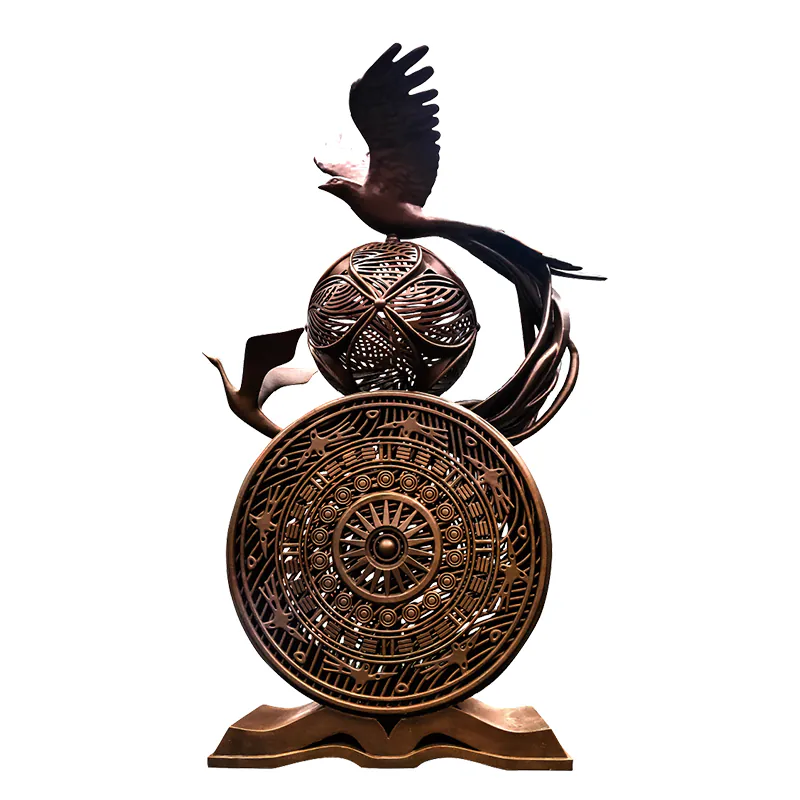

Bronze and brass questions
Is bronze stronger than brass?
Can I use brass instead of bronze for a bearing?
Why does my brass part look bronze-coloured?
What is dezincification?
Which is better for seawater?
Which is easier to machine?
Is bronze magnetic?
Is brass cheaper than bronze?
Can both be cast the same way?
Still not sure which one? Send the duty.